

As light‑medical aesthetic consumption continues to mature, the body management market is undergoing new shifts. In the past, consumers focused more on “how many kilograms they had lost”. Today, a growing number of people pay attention to whether the abdomen and waist are smooth, whether arms are firm, whether thigh lines are sleek, and whether the jawline and back contours are well‑defined. Body management is no longer simply about weight loss; it is shifting toward localized line refinement and overall proportion management.
Against this backdrop, non‑invasive technological body contouring has become a key focus for medical aesthetic clinics and body management centers. Boasting strengths in localized contouring, comfortable treatment experience and multi‑site applicability, Visera‑Collis delivers a new equipment option for targeted fat management across the waist‑abdomen, thighs, arms, back, jawline and other areas. It also propels body management programmes from crude fat reduction toward refined body sculpting.
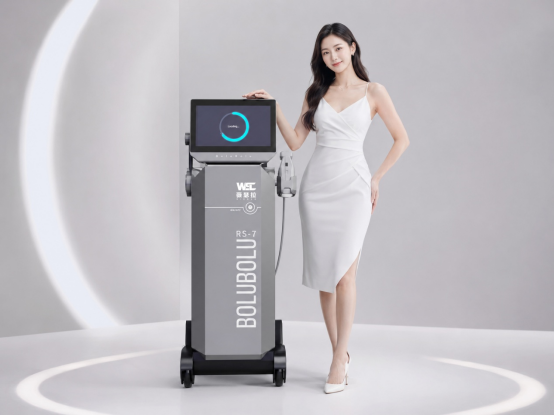
From Weight Loss to Contour Refinement: Evolving Demands for Body Sculpting
Many people have had similar‑experiences: their weight goes down, yet the waist and abdomen remain lax. After sticking to exercise for some time, overall physical condition improves, but fat in certain areas is still prominent. Even when they are not overweight, they still feel their body proportions look unflattering in clothing. These scenarios show that weight figures cannot fully reflect one’s physical silhouette.
Localized fat deposits are often linked to lifestyle habits, body‑fat distribution, aging changes and postural conditions. Areas including the waist‑abdomen, arms, thighs, back and jawline are top concerns for consumers in body management, yet hard to improve through a single‑mode approach. Traditional dieting and exercise work well for general wellness management, while localized‑line refinement usually calls for more targeted solutions.
Therefore, modern body‑sculpting treatments are shifting from a weight‑loss‑oriented mindset to a contour‑driven mindset. Consumers expect more than just getting slimmer; they want sharper body contours, better‑balanced proportions and a natural look in outfits.
What is Visera‑Collis?
Visera‑Collis is a non‑invasive technological body‑contouring device designed for localized sculpting demands. It is mainly applied in localized fat management, body contour optimization and body‑proportion adjustment. Treatment protocols can be customized based on fat thickness, skin condition and sculpting goals for different body areas to deliver more targeted solutions.
Different from conventional one‑dimensional fat‑reduction methods, Visera‑Collis puts greater emphasis on “precision‑oriented regional management”. Instead of simply pursuing rapid overall weight loss, it supports clinics in developing localized contour‑refinement programmes for common areas such as the waist‑abdomen, thighs, arms, back and jawline.
For medical aesthetic clinics, beauty salons and body‑management centers, the value of this device lies not only in expanding their body‑sculpting service portfolio, but also in enabling institutions to upgrade from one‑off fat‑reduction services to comprehensive body‑management solutions.

Why Non‑Invasive Body Contouring Is Gaining Traction
Today’s consumers hold more rational expectations for body‑sculpting treatments. On one hand, they want to improve localized fat deposits and body contours. On the other hand, they expect a relatively comfortable treatment experience with minimal disruption to their work‑life routine. Compared with highly invasive approaches, non‑invasive body contouring is better aligned with current light‑medical‑aesthetic consumption trends.
Visera‑Collis does not rely on surgical incisions or traumatic operations. Treatment programmes can be tailored to different body areas and individual requirements. For concerns such as waist‑abdomen fat, lax upper arms, localized thigh fat, heavy‑looking back and undefined jawline, clinics can formulate personalized sculpting solutions based on professional assessments.
This approach is ideal for people seeking natural‑looking improvements and phased body management. It also caters to modern consumers’ sculpting demands for “low burden, minimal downtime and superior treatment experience”.
Localized Body Sculpting Calls for Personalized Solutions
One‑size‑fits‑all approaches are the biggest pitfall in body management. Individuals vary greatly in fat distribution, skin elasticity, postural conditions and sculpting objectives. Clients with waist‑abdomen concerns, hip‑thigh issues, a bulky upper body or undefined jawlines require different treatment priorities.
Visera‑Collis is built around differentiated management tailored to distinct body zones. For the waist‑abdomen, emphasis is placed on abdominal smoothness and a well‑defined waistline. For thighs, treatment targets leg contours and local circumference control. Arm protocols are designed to boost firmness and refine silhouette lines. For the back, it addresses bulkiness for a cleaner look under clothing. For the jawline, treatment plans can be developed in conjunction with facial contour‑management requirements.
For clinics, this part‑specific, demand‑driven sculpting logic supports the development of segmented service packages. Offerings such as “Waist‑Abdomen Contour Management”, “Arm Firming Management”, “Hip‑Thigh Proportion Management”, “Jawline Contour Refinement” and “Full‑Body Light Body‑Sculpting Programme” can become key components of the body‑management service portfolio.
Technological Body Sculpting Cannot Replace a Healthy Lifestyle
It is worth noting that non-invasive body contouring does not fully replace dietary management or regular exercise. Visera-Collis serves as an effective auxiliary solution for localized sculpting and contour refinement, yet long-term body management must still rely on healthy eating, consistent physical activity, sufficient sleep and sound daily lifestyles.
In addition, all body sculpting treatments should only be performed after professional assessment. Prior to treatment, a comprehensive evaluation should be conducted based on individual body fat conditions, skin quality, medical history, recent aesthetic treatment records and overall physical health. Pregnant individuals, those with severe skin conditions, unrecovered surgical wounds or specific illnesses must consult professional practitioners in advance to confirm treatment suitability.
Conclusion
The body‑management market is transitioning from “simple weight loss” to the phase of “localized fine contouring” and “proportion management”. Instead of focusing merely on numerical changes, consumers attach greater importance to body lines, how clothing fits and overall silhouette performance.
Centered on non‑invasive technological body contouring, Visera‑Collis covers multiple areas including the waist‑abdomen, thighs, arms, back and jawline. It provides medical‑aesthetic clinics and body‑management centers with ideas for more refined service layout. What it represents is more than an upgrade of a single sculpting device; it marks a significant shift of body‑management services from crude fat reduction to precision‑driven contouring.
In the future, as consumers’ awareness of sculpting treatments keeps growing, competition in tech‑powered body sculpting will no longer revolve around hardware alone. It will become comprehensive competition covering technology, customized protocols, treatment experience and long‑term management capabilities. The refined‑contouring model represented by Visera‑Collis is expected to become a major development trend within the non‑invasive body‑management market.